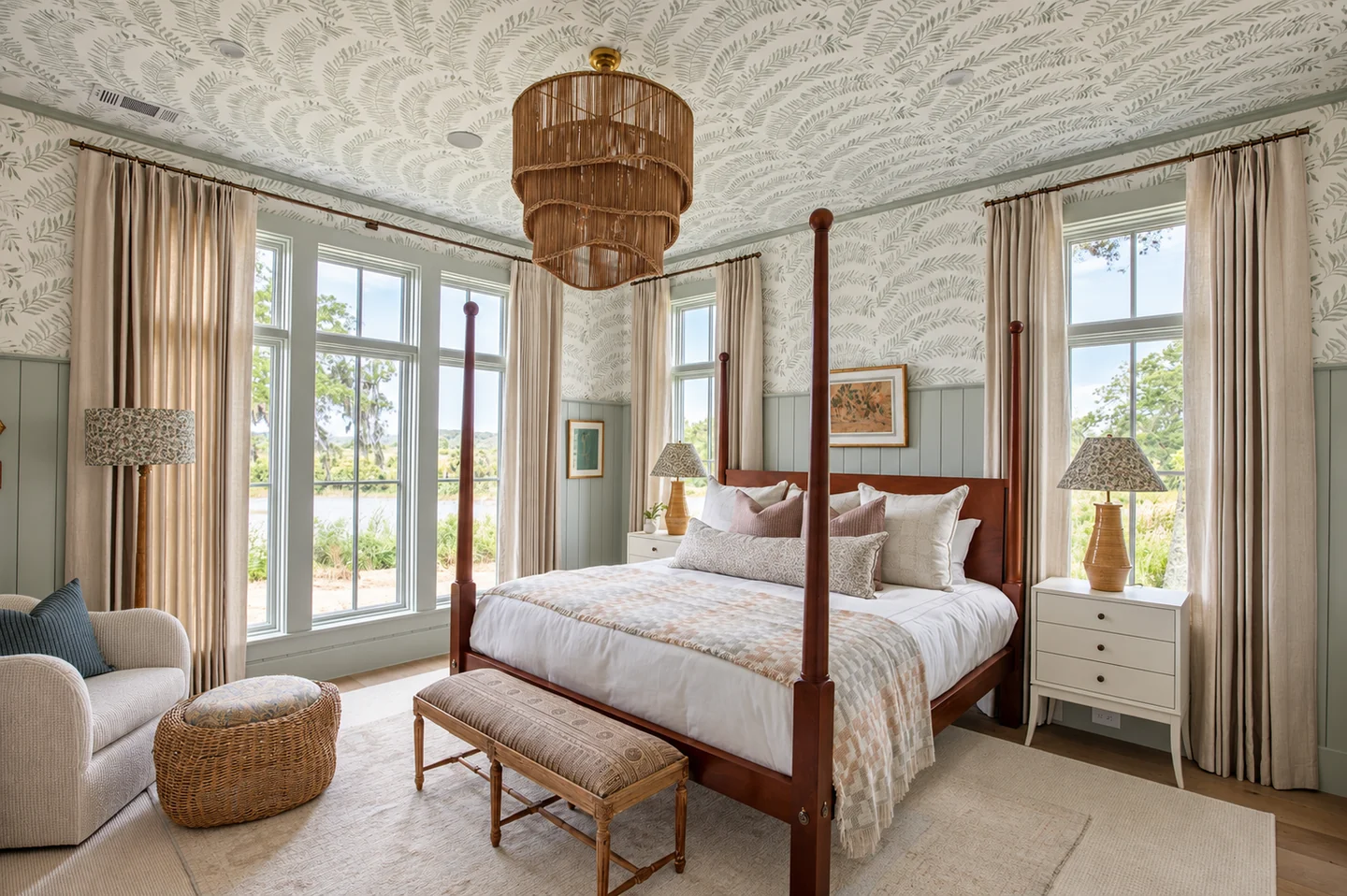
A Study in Lowcountry Pattern: The 2024 Southern Living Idea House
Inside the Johns Island home where Emily Daws textiles became part of a larger conversation between pattern, material and the Lowcountry landscape.
Introduction
Set along the marshes of Kiawah River on Johns Island, the 2024 Southern Living Idea House was designed with a distinct sense of place.
The home takes its cues from the architecture, colors and natural materials of the Lowcountry. Rather than interpreting coastal living literally, the rooms are layered with references to the landscape: marsh grasses, pine, weathered wood, warm mineral tones and the shifting colors of the water.
For a Charleston-based textile studio, it was a particularly natural setting for our work.
Interior designer Allison Elebash brought together textiles, artwork and furnishings with a light hand, allowing individual pieces to contribute to the character of the house without overtaking it. Emily Daws patterns appear throughout the home in upholstery, café curtains, Roman shades, drapery and pillows.
Seen together, the rooms offer a study in how pattern can become part of the architecture of an interior.
Downstairs Primary Bath — Salt Marsh in Laurel
Salt Marsh begins with a familiar Lowcountry view: grasses moving across the horizon and waterways winding quietly between them.
In the primary bath, Salt Marsh in Laurel introduces pattern without adding visual weight. Its loose lines and softened green create movement against the more structured architectural elements of the room.


It is one of those places where the inspiration behind the pattern and the landscape beyond the house seem particularly connected.
Upstairs Guest Bath — Hemlock in Frost
Where Salt Marsh moves horizontally, Hemlock has a distinctly vertical rhythm.
The pattern was informed by the tall Carolina pines that punctuate the coastal landscape, reducing their branching silhouettes to an elongated stripe.
Used here in Frost, Hemlock reads almost as a texture from across the room. Up close, the irregularity of the drawn line becomes more apparent.


That shift between pattern and texture is something we return to often in the studio.
Coffee Vestibule — Eden in Autumn + Sweetgrass in Bloom
One of the smaller spaces in the house also became one of the most layered.
Eden in Autumn covers the benches in a warm, earthier floral, while Sweetgrass in Bloom appears at the windows as café curtains.
The two patterns are intentionally different in scale and character. Eden is fuller and botanical. Sweetgrass has a more open, rhythmic quality, originally informed by Charleston's tradition of woven sweetgrass basketry.
Coffee Vestibule — Eden in Autumn + Sweetgrass in Bloom


Together, they show that coordinating fabrics do not need to match. A shared palette, varied scale and a little contrast can make the combination far more interesting.
Kitchen — Daffodil in Copper
Pattern appears in a smaller gesture at the kitchen island.
Daffodil in Copper was used on the stools, bringing a warm botanical note to the kitchen's quieter architectural materials.
The pattern was drawn from the simple form of an early-season daffodil. In Copper, that familiar floral takes on an earthier character that works particularly well in upholstery.


It is a small application, but an important one. Sometimes a few yards of pattern are enough to change the balance of a room.
Twin Bedroom — Sandbar in Sterling + Nest in Raindrop
In the twin bedroom, pattern becomes quieter again.
Sandbar in Sterling is used on the Roman shade, where its irregular dotted stripe reads almost like a woven texture. The design references the lines left in sand by tide and wind, giving an otherwise orderly stripe a less perfect rhythm.
A Nest in Raindrop pillow introduces a second scale and a more organic form.

The combination is deliberately restrained. Neither pattern needs to become the focal point for the room to feel considered.
Downstairs Primary Bedroom — Sandbar in Tawny
Sandbar returns in the primary bedroom, this time as full-length drapery in Tawny.
The larger application changes the way the pattern reads. The broken stripe becomes more pronounced across the length of the panels, while the warm ground relates naturally to the marsh grasses and muted landscape surrounding the house.
It is a good example of something we think about constantly when designing fabric: the same pattern can behave very differently depending on its scale of use.
Downstairs primary bedroom


A Roman shade, a pillow and a full drapery panel each reveal something different about a repeat.
Pattern, in Context
What remains most interesting about the Idea House is not simply seeing our fabrics used throughout it. It is seeing them in context.
A textile changes once it leaves the studio.
It meets wood, stone, paint, light, furniture and the architecture of the room. A motif that feels expressive on a swatch may become remarkably quiet across a large shade. A simple stripe can become one of the strongest elements in a bedroom when allowed to run from ceiling to floor.
The 2024 Idea House gave each of these patterns room to do exactly that.
Rather than creating a collection of statement moments, the interiors show how color, scale, material and repeat can build a room gradually.
For us, that is where pattern is often at its best.
Featured in This Story
Explore the fabrics and finished pieces used throughout the 2024 Southern Living Idea House, including Salt Marsh, Hemlock, Eden, Sweetgrass, Daffodil, Sandbar, Nest and the layered pillows featured in the primary bedroom.


Order Swatches
Seeing a pattern at full scale begins with seeing the material itself.
Cut swatches of the featured fabrics are available through the studio for reviewing color, ground, texture and scale before specifying a project.
Project Team
The 2024 Southern Living Idea House was created through a collaboration of Charleston-area designers, architects and builders, with the landscape and setting informing the house from the beginning.
From The Common Thread
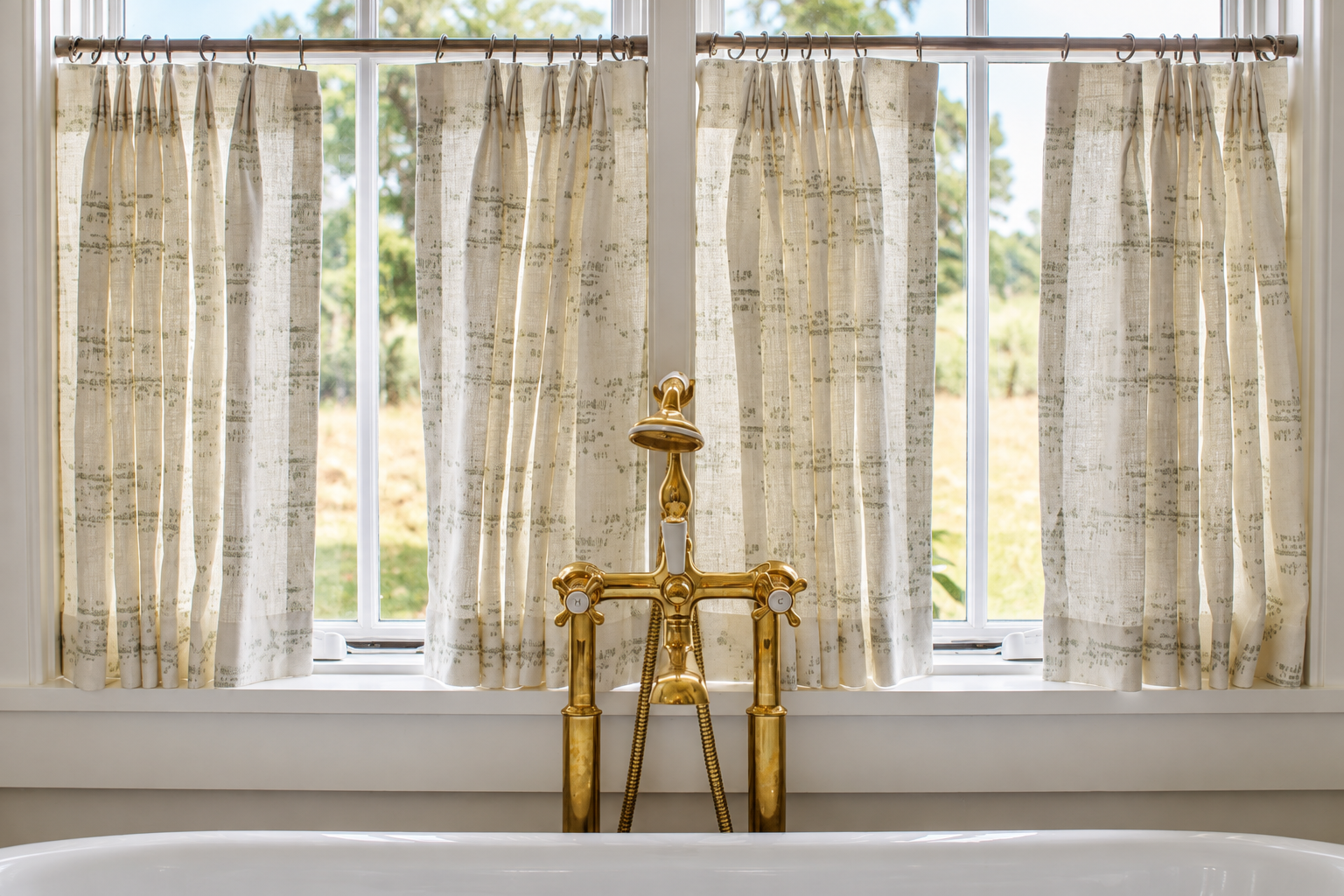
Charleston Collection
Four Fabrics for Café Curtains
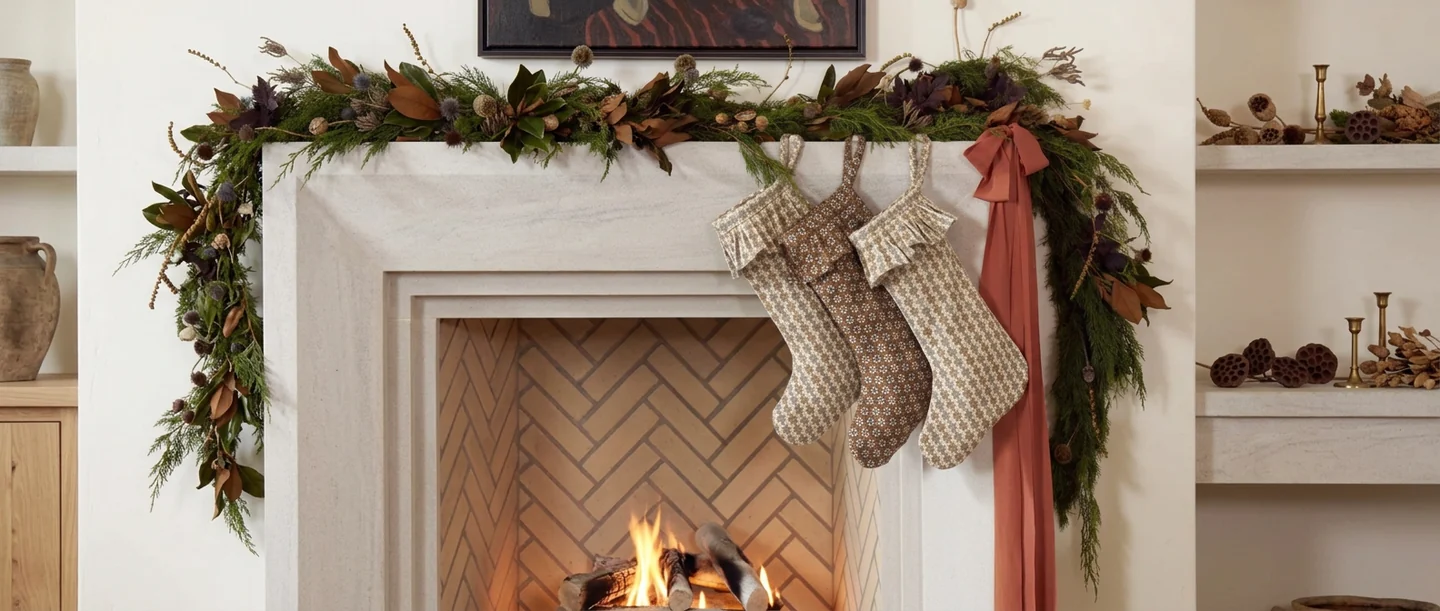
A KIAWAH RIVER HOLIDAY
A Kiawah River Holiday: Nectar Fabric in the Southern Living Idea House
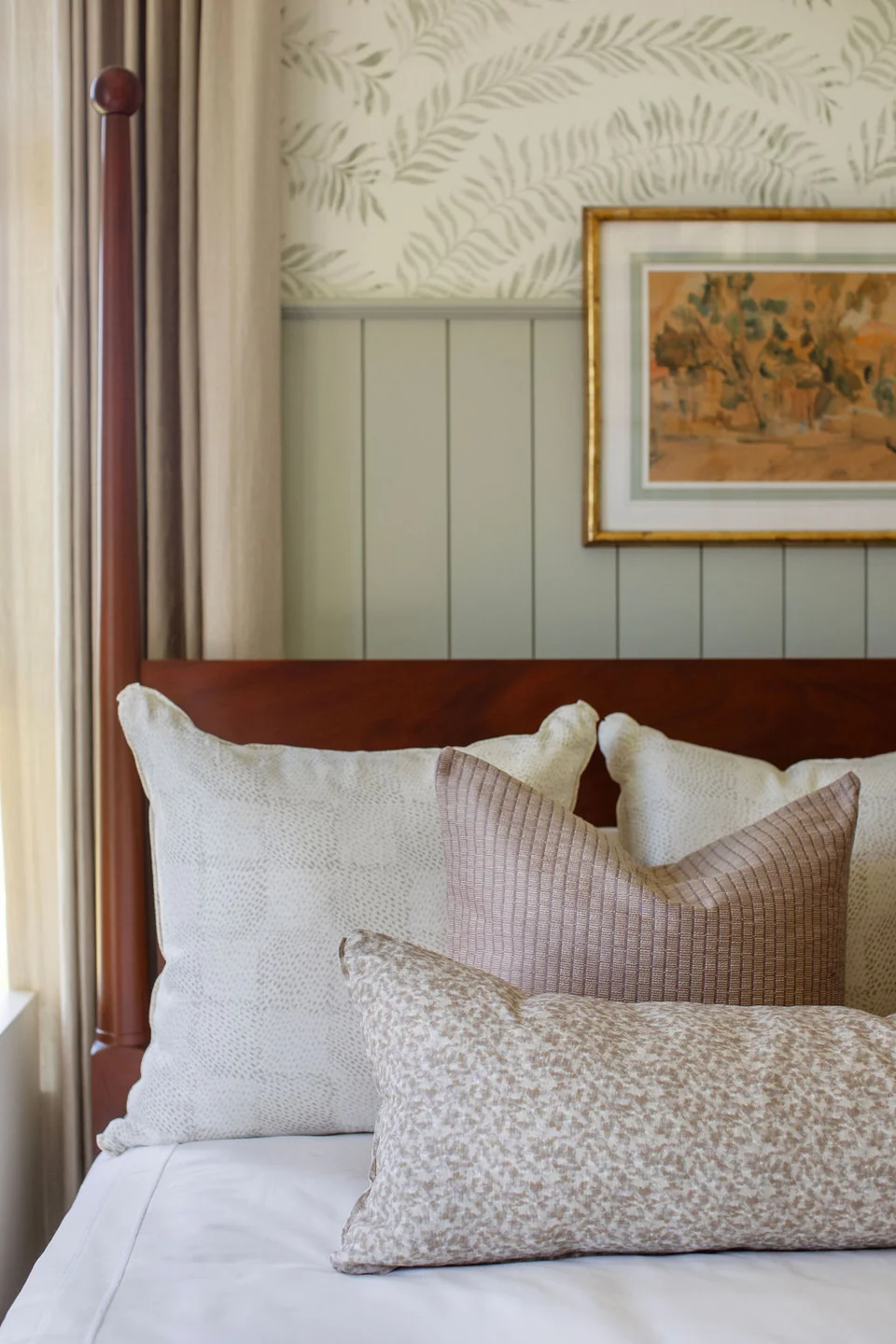
Coastal Living