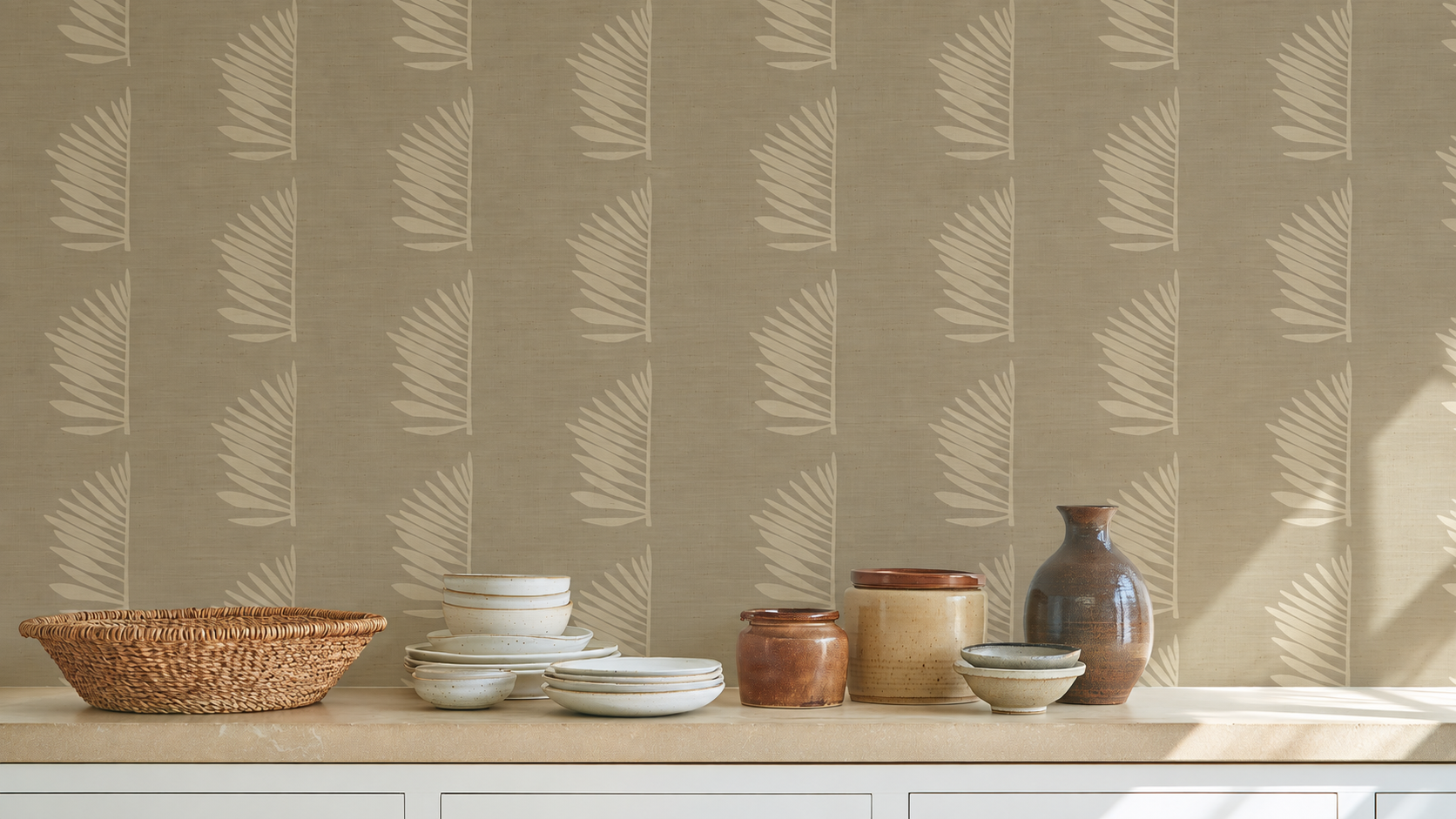
A Different Kind of Warmth: Decorating with Grasscloth
As the light begins to shift in fall, natural wallcoverings bring depth to a room without asking for a seasonal palette. A closer look at the way grasscloth changes pattern, color and the surface of a wall.
There is a point in early fall when the light begins to change before the rooms do.
Here in Charleston, the landscape may still be green, but the light becomes softer and lower. Wood feels warmer. Woven textiles become more apparent. Even the surface of a wall can take on a different presence.
It is one of the reasons I find myself returning to grasscloth this time of year.
Not because it is inherently autumnal. What it brings to a room is something quieter: texture, variation and depth without requiring an entirely different palette.
Pattern on a Natural Ground
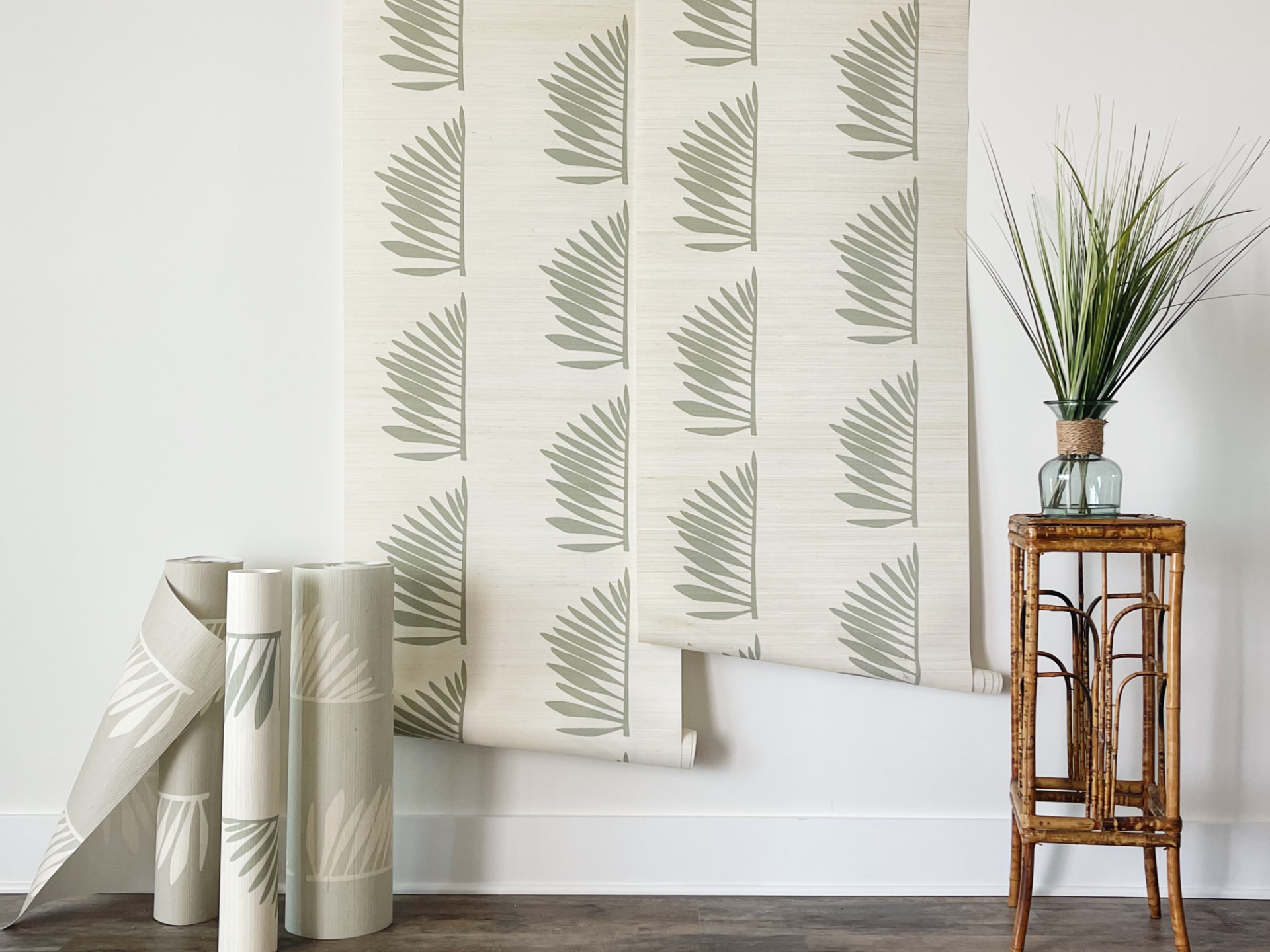
Before a pattern is printed onto grasscloth, the surface already has character.
Natural woven sisal carries variation in texture and tone, so the wall is read not only as pattern, but as material.
That underlying texture changes the way a motif behaves. Large patterns can become softer. Smaller repeats can begin to read almost as texture. Even cool colors can feel warmer because the surface itself has depth.
Palmetto: Scale Against Texture
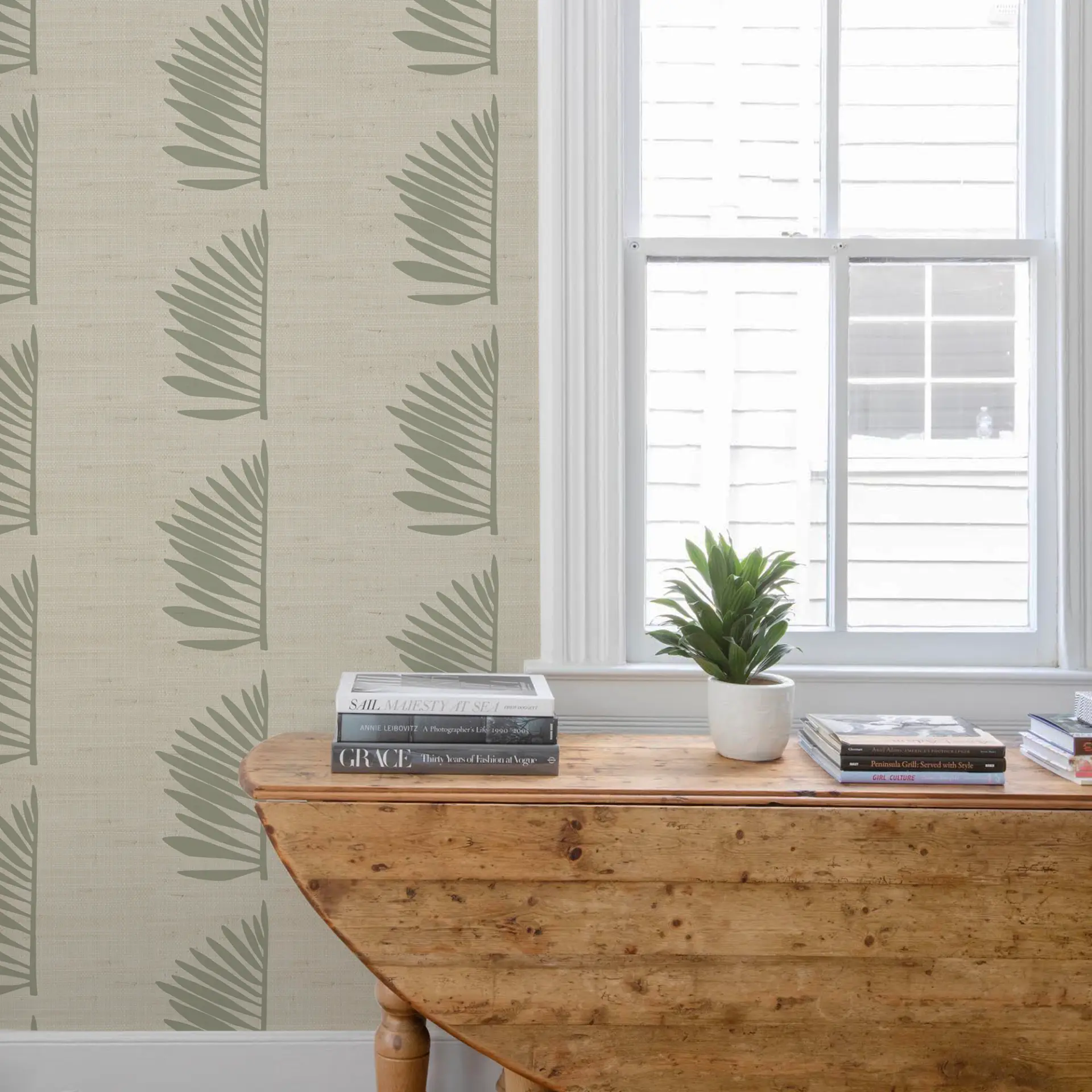
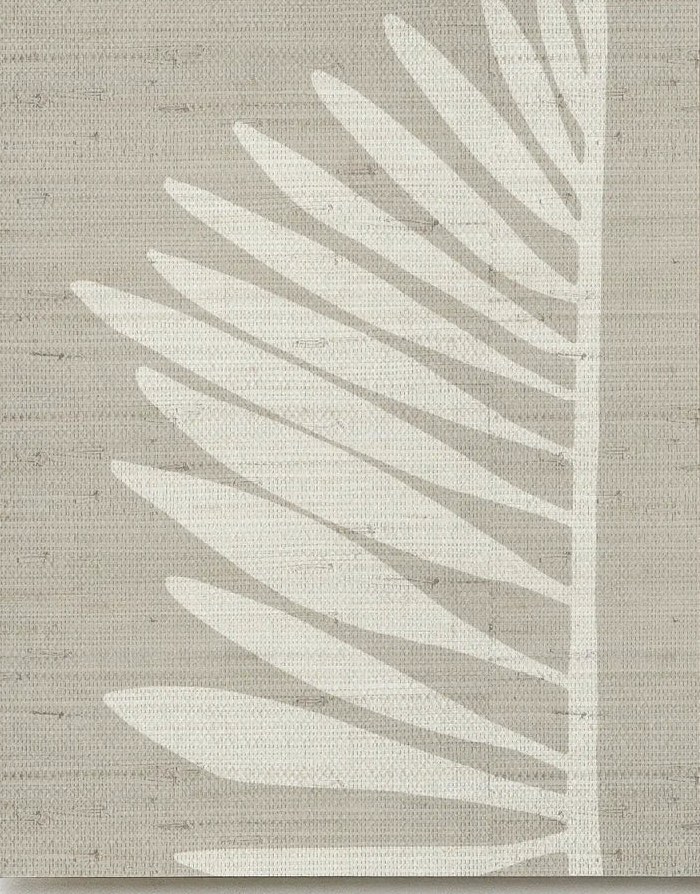
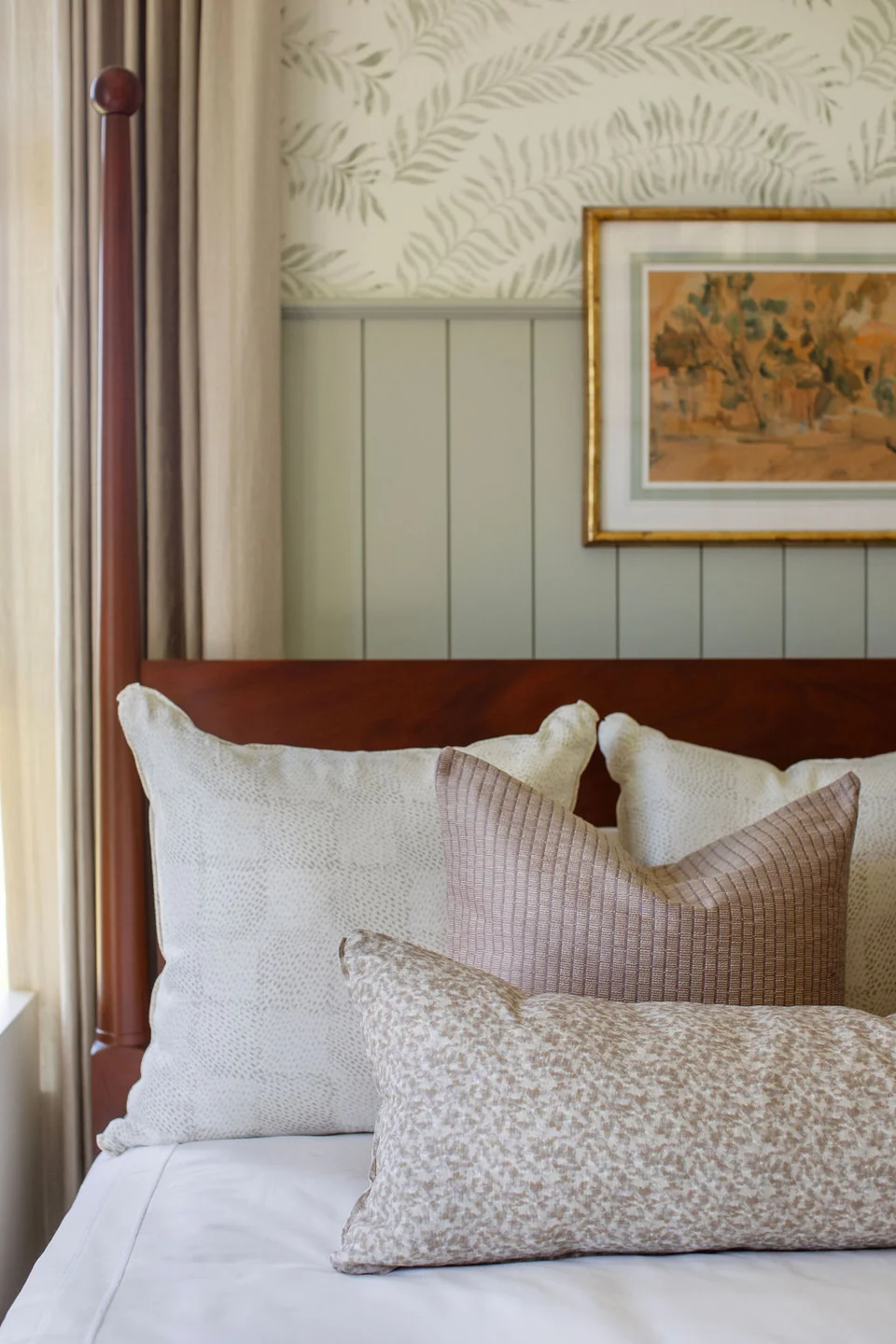
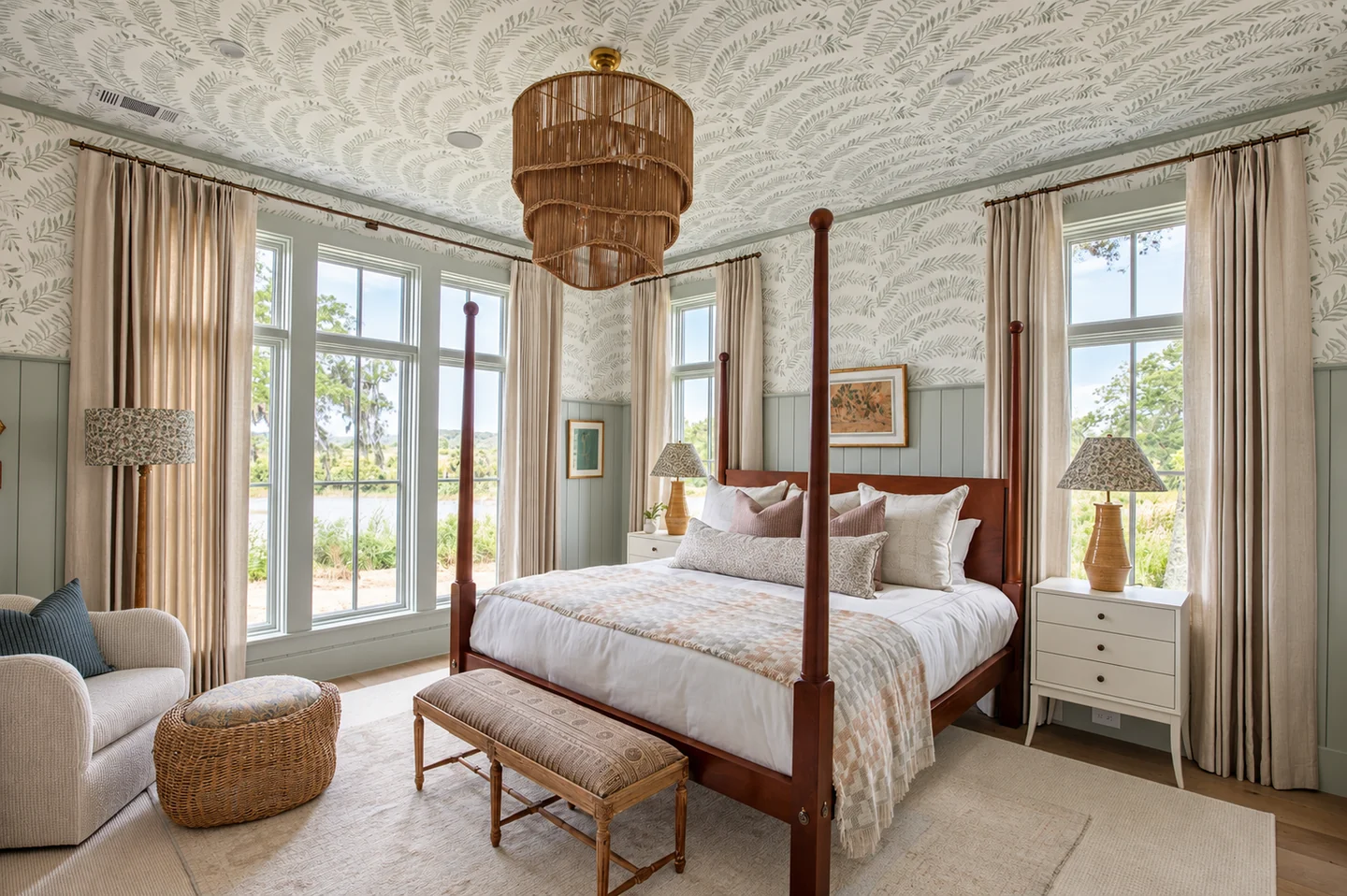
Palmetto is a clear example of how grasscloth can soften scale.
The pattern began with the structure of the palmetto frond, simplified into a larger graphic form. On grasscloth, the woven surface introduces something quieter beneath the pattern.
The result is a useful balance. The scale still creates movement across the wall, but the natural ground keeps it from feeling overly sharp or decorative.
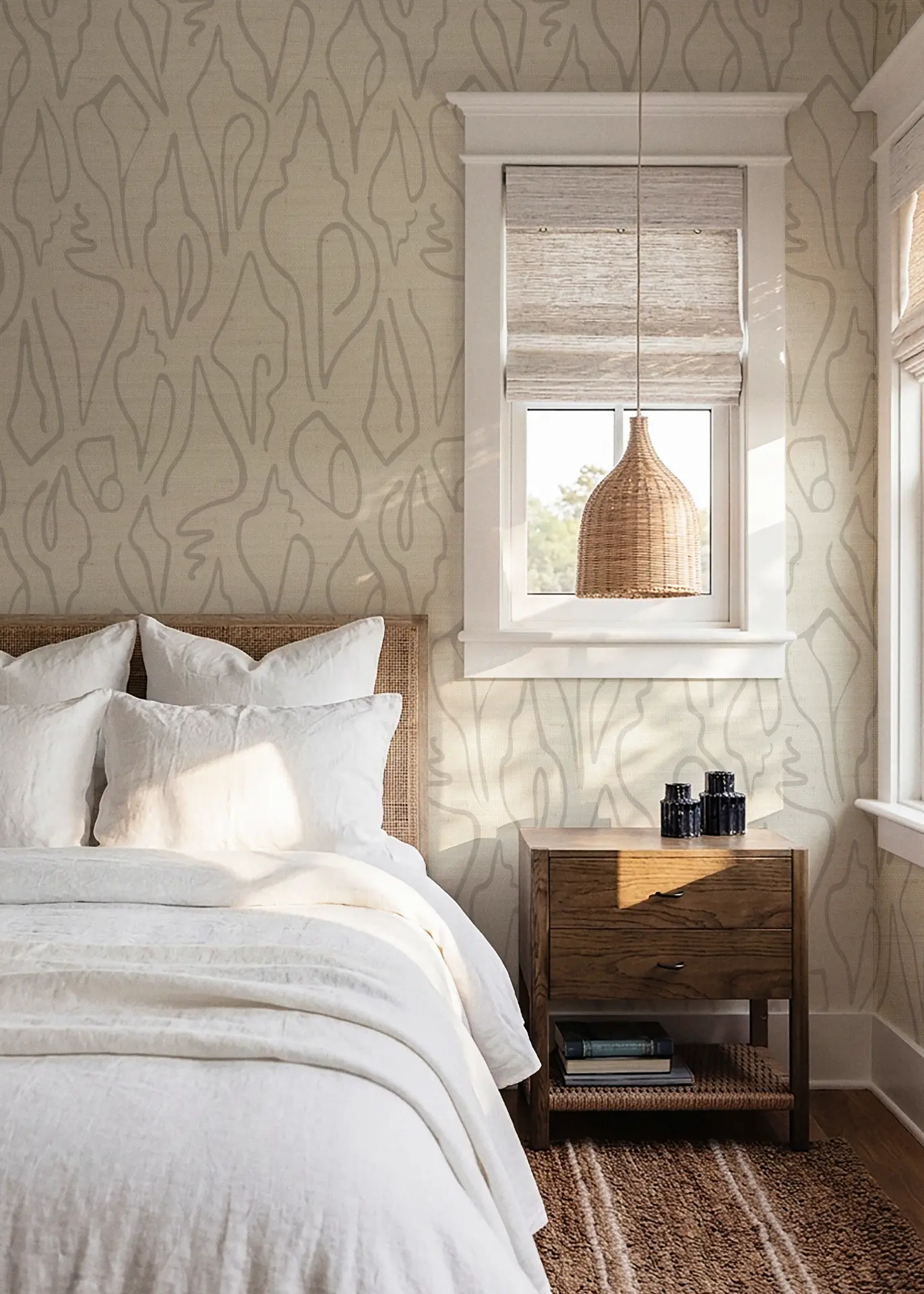
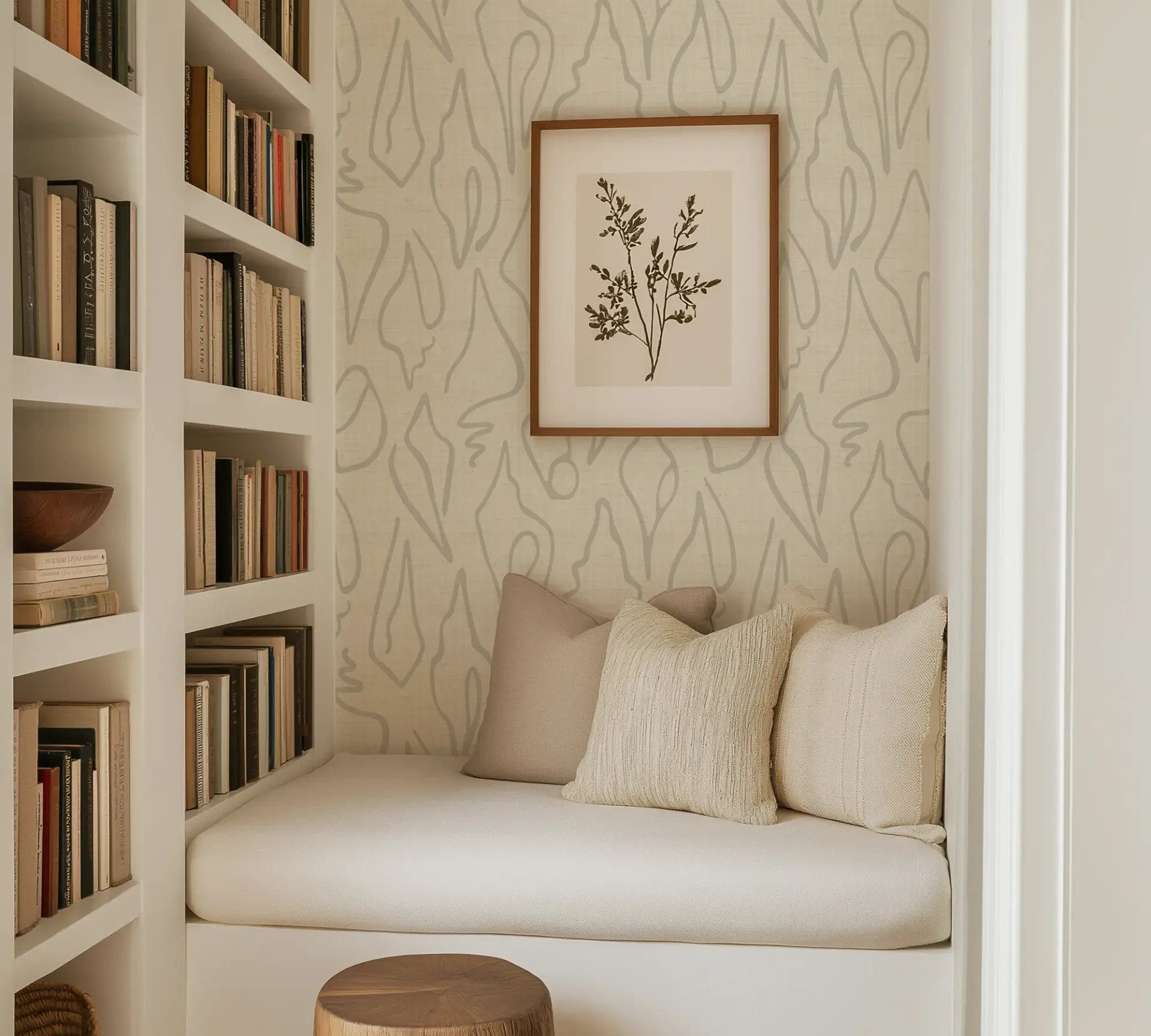
Edisto: An Organic Repeat
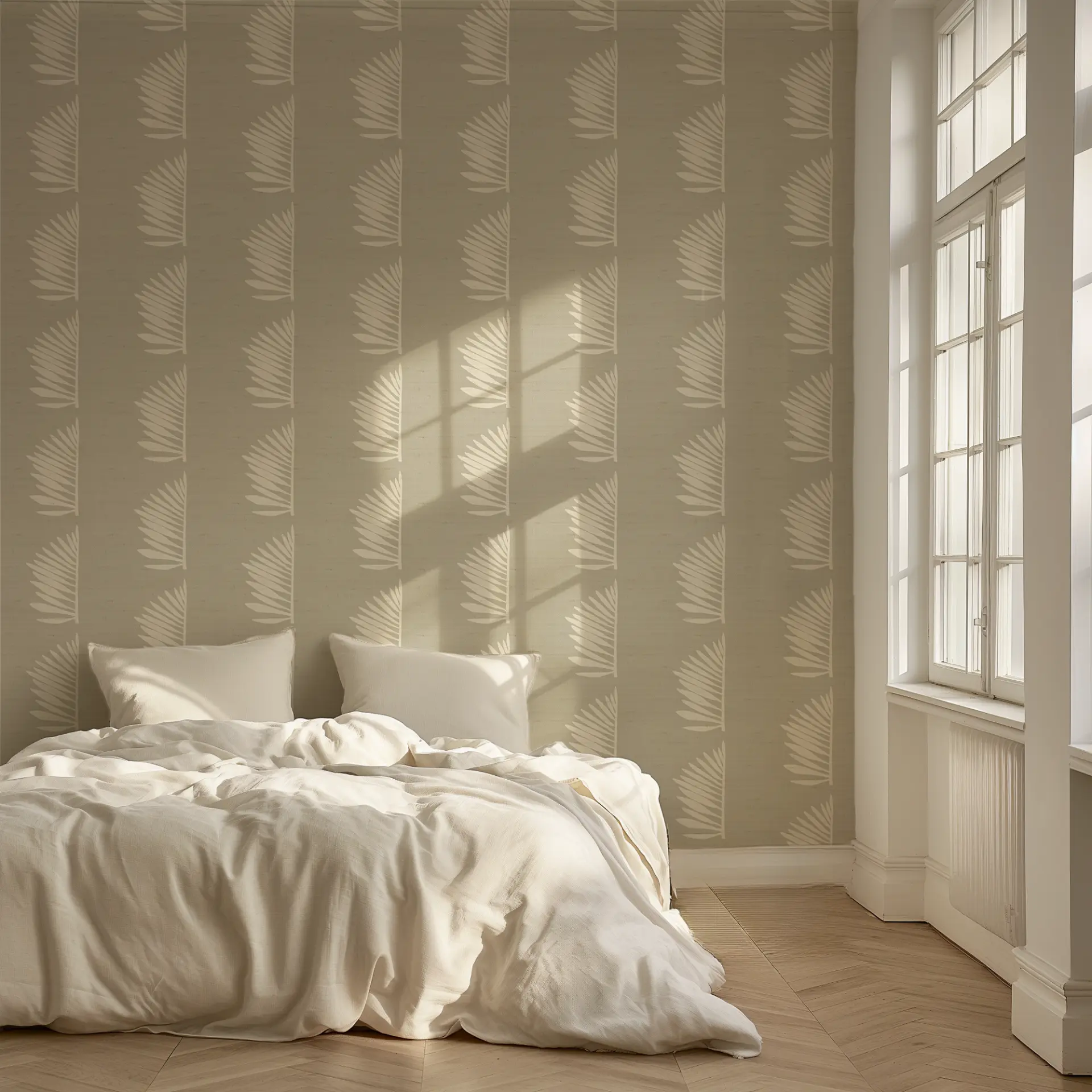
Edisto works differently.
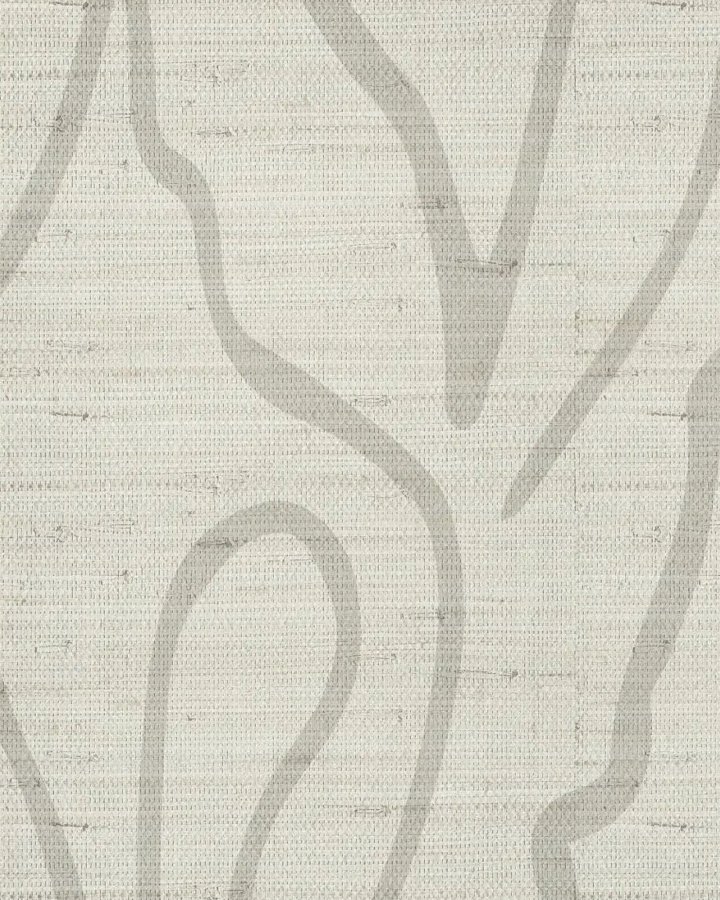
The pattern began with hand-drawn shell silhouettes, then was reduced into an abstract repeat. From across a room, the individual forms become less important than the movement they create across the wall.
In Salt, that effect is especially quiet. The neutral palette allows the drawing and woven ground to work almost as one surface.
It is a good example of a pattern that reveals itself gradually. From a distance it can read as texture. Closer up, the irregular shapes and natural fibers become more apparent.
River Reef: Texture Within Texture
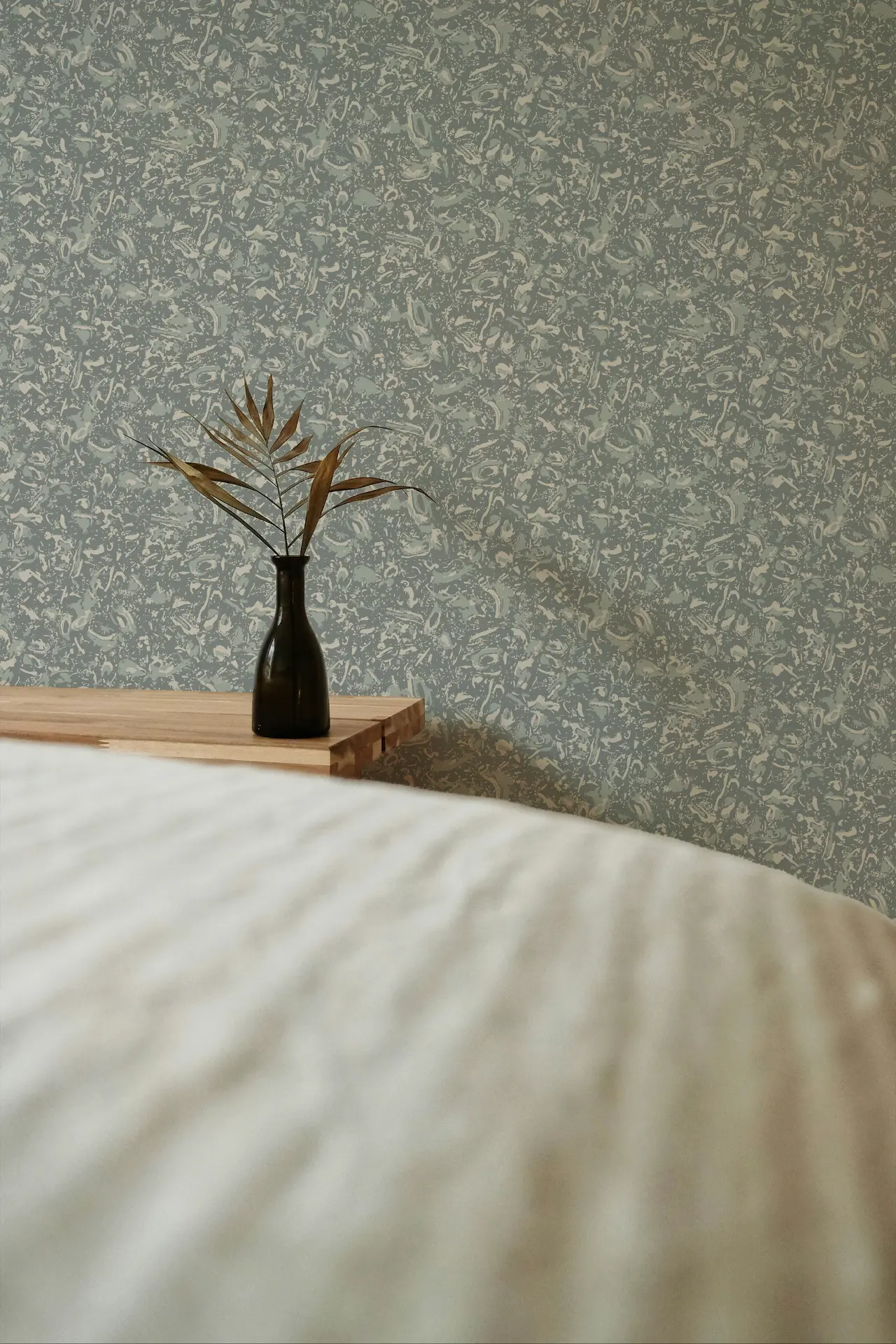
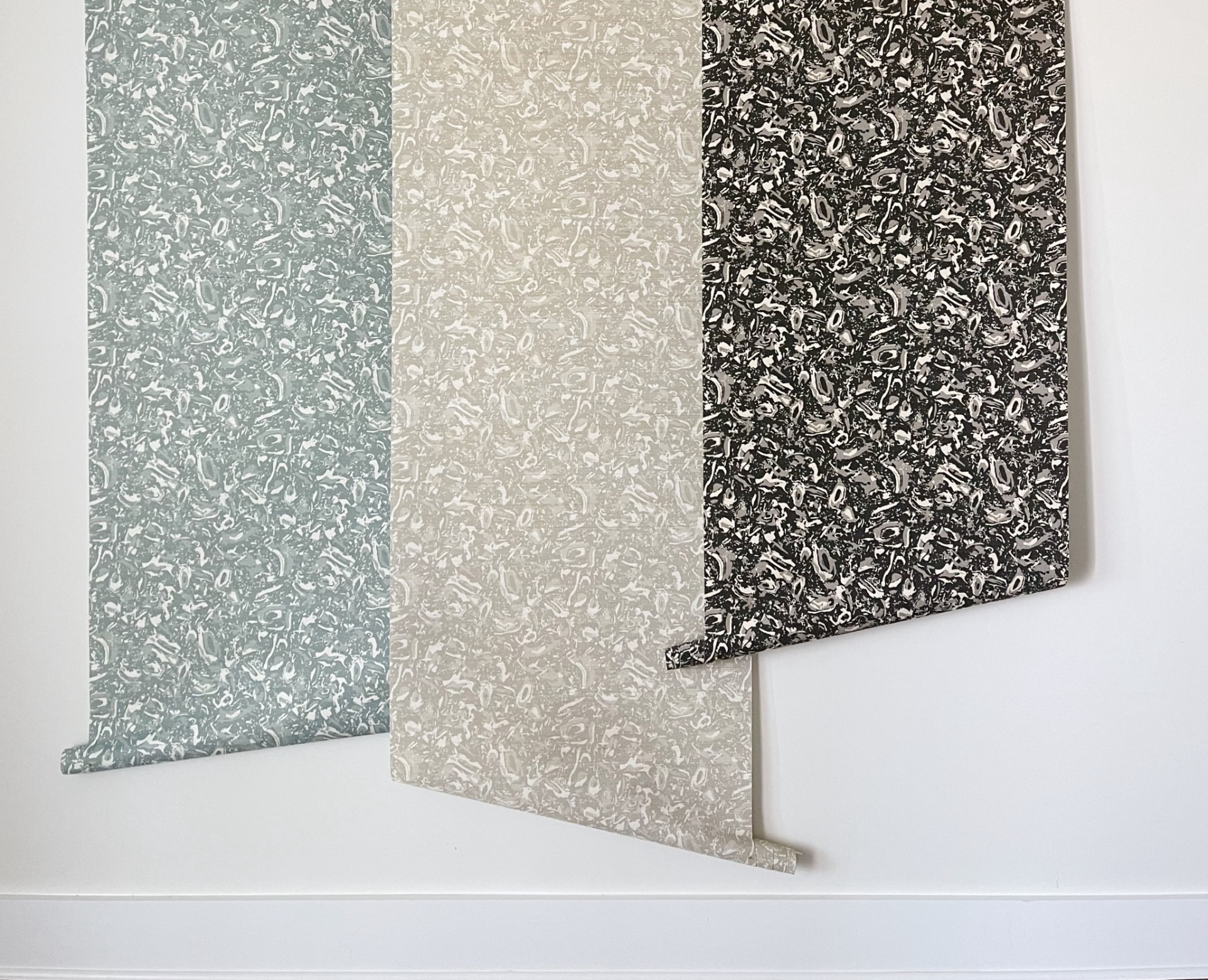
River Reef approaches the wall at a smaller scale.
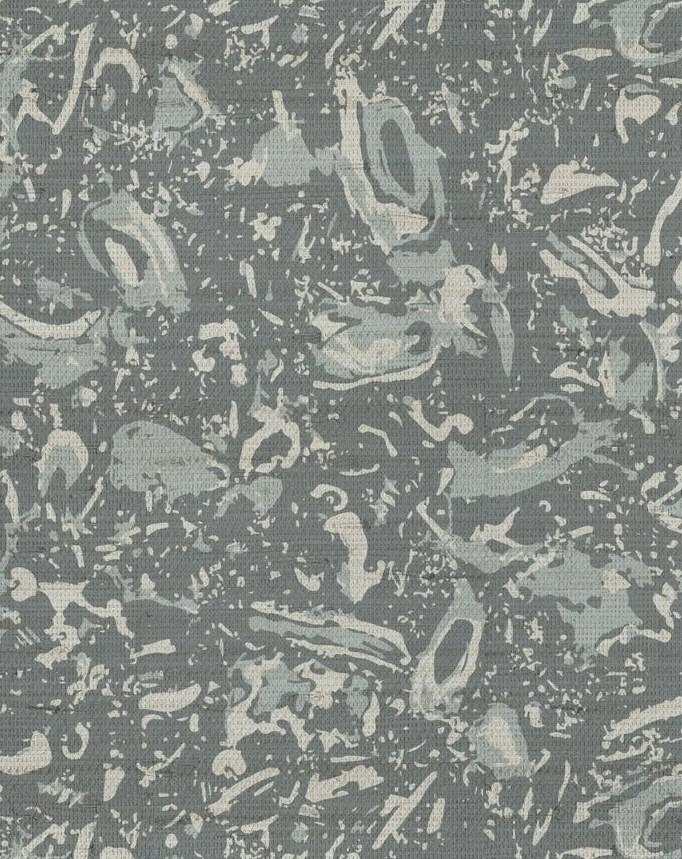
The pattern draws from fragments of oyster shell and the irregular surfaces found in historic tabby. On grasscloth, the drawn texture sits over the physical texture of the sisal, so the two begin to work together.
From a distance, River Reef can read almost as a field of movement. Up close, the individual marks and woven fibers become more apparent.
Living With Natural Variation
The qualities that make grasscloth interesting are also the ones to understand before specifying it.
Natural sisal varies. Tone and texture can shift subtly across the material and between panels. That variation is part of the wallcovering rather than something to be corrected.
A sample is particularly useful because it allows you to see the fibers, printed color and texture together in the room where the material will live.
Professional installation is also important with natural wallcoverings.
Fall can be a useful reminder to look at a room through material rather than decoration.
The seasonal shift does not always need to arrive through a new color or a new object. Sometimes it is a question of noticing what a surface is already doing.
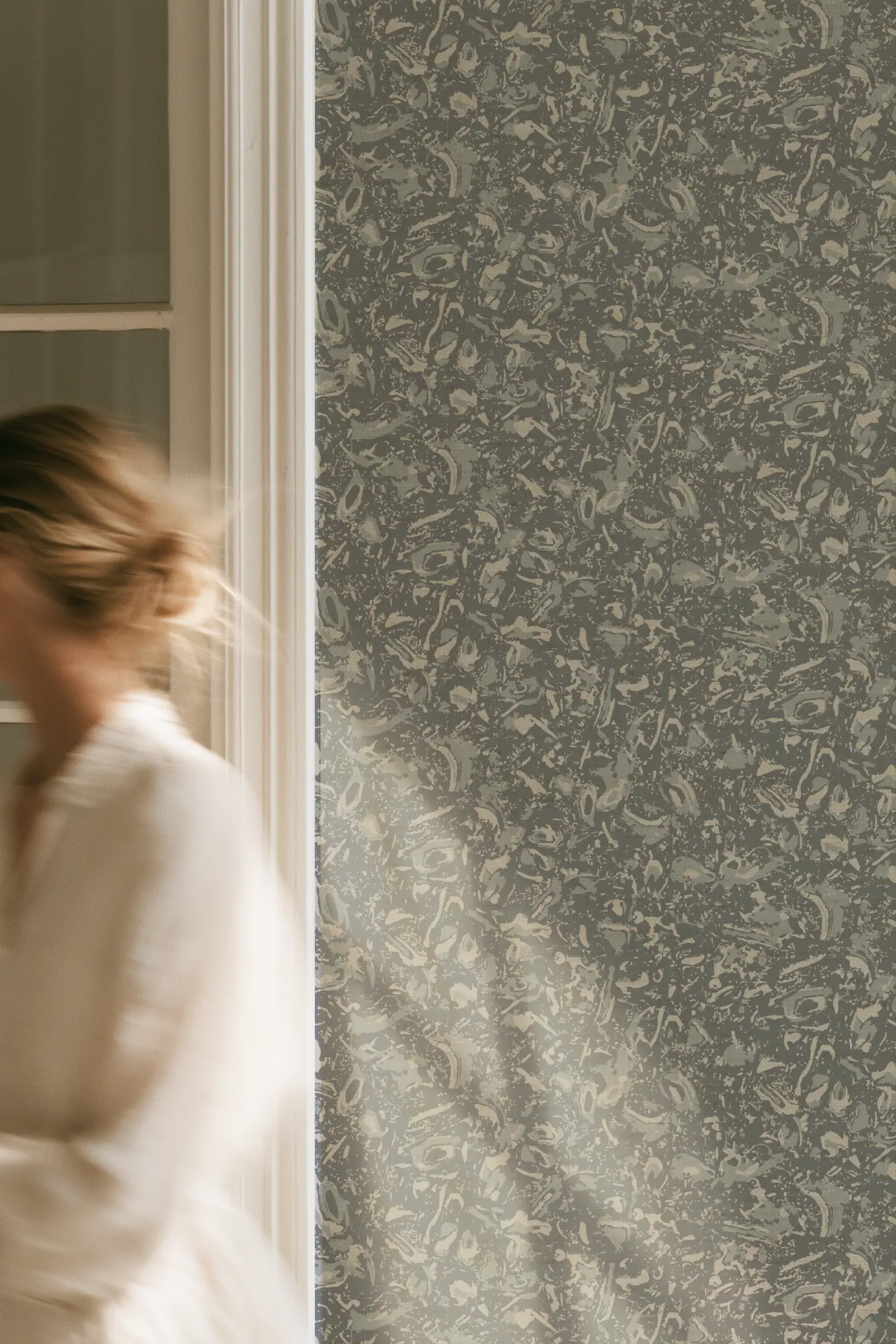
Featured in This Story
Palmetto, Edisto and River Reef show three different ways pattern can work on natural sisal, from oversized botanical forms to quieter abstract repeats.
Order Swatches
Grasscloth is one of those materials best understood in person. Order swatches to compare the woven sisal ground, printed color and natural variation in the room where the wallcovering will live.
From The Common Thread
Coastal Living
Bringing Autumn Indoors

THE CHARLESTON COLLECTIONS
Carolina on My Mind: A Love Letter to the Lowcountry
Charleston Collection